Time and place
- When
-
- 11. Nov 2026, 9:00 AM - 5:00 PM
- 12. Nov 2026, 8:00 AM - 5:00 PM
- 13. Nov 2026, 8:00 AM - 2:00 PM
- Where
-
Thon Hotel Oslofjord
Sandviksveien 186
1337 Sandvika
- Oslo
- Register now
-
Registration deadline: 26. Oct 2026, 23:00
Sign up here
About the Conference
Professionals come together at the Nordic Spasticity Conference in Oslo. You will meet a wide range of medical specialists and other professionals interested in the field.
The speakers are international specialists in spasticity issues as well as Nordic professionals with extensive experience in spasticity treatment.
Take part in workshops, meet exciting exhibitors, and establish networks across borders.
-
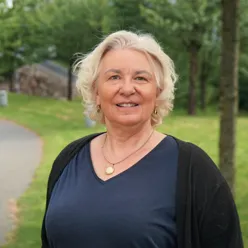
Navn
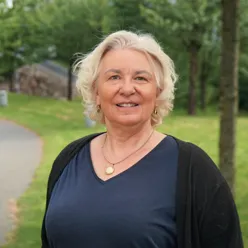
Jelena Simic
MD, Sunnaas Rehabilitation Hospital
Jelena Simic is physician in charge of the Spasticity Clinic and the Gait Laboratory at Sunnaas Rehabilitation Hospital. She is a clinician-scientist and specialist in Physical Medicine and Rehabilitation with expertise in neurorehabilitation and spasticity management. She is a dedicated researcher specializing in the use of advanced imaging modalities, including MRI and ultrasound, to explore macroscopic and microscopic changes in spastic muscles. She is committed to linking research and clinical practice, as well as introducing innovations in the diagnostic process and the management of spasticity-related disorders.
-
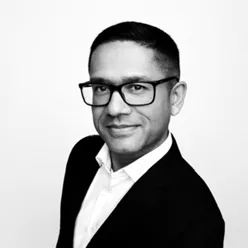
Navn
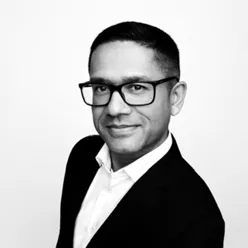
Rajiv Reebye
Clinical Professor at the University of British Columbia, Chair of the SPECTRA LV
Professor Rajiv Reebye is a Clinical Professor at the University of British Columbia (UBC), currently serving as Head of the Division of Physical Medicine and Rehabilitation at UBC and Co-Founder and Chair of the SPECTRA LV (Spasticity Education and Clinical Translation Lausanne–Vancouver) Institute research lab.
His research focuses on multimodal therapy and muscle ultrasound in spasticity syndrome management, with national and international collaborative work spanning spasticity care in patients with stroke, multiple sclerosis, and paediatric-to-adult transition care for patients with spasticity syndrome. He is internationally recognized for his leadership, innovation, and teaching in rehabilitation medicine, with honours including the 2022 Meredith Marks Award for Excellence in Education and the 2022 Haim Ring Award from the International Society of Physical Medicine and Rehabilitation (ISPRM).
-
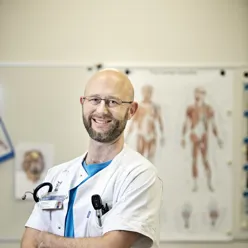
Navn
Bo Biering-Sørensen
MD, NDAPM, MPG, University of Copenhagen and Hvidovre Hospital, Denmark
Dr. Biering-Sørensen is a neurologist and movement disorder specialist with a special interest in spasticity and dystonia management. He is a Clinical Associate Professor at the Department of Public Health, Faculty of Health and Medical Sciences, University of Copenhagen, and Director of the Movement Disorder and Pain Research Center (MPRC) at Hvidovre Hospital. He is the founder and Chairman of the Board of Directors of the Scandinavian Diploma Education in Dystonia and Spasticity Treatment and in recognition of his sustained commitment to education and mentorship, he was awarded the 2026 Education Award by the Young Neurologists, Neurosurgeons, and Neurophysiologists (YNNN) Society in Denmark.
-
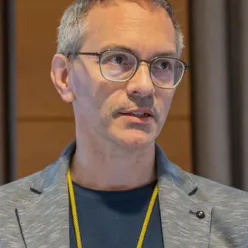
Navn
Stefano Carda
MD, PhD, University of Lausanne Switzerland
Dr. Stefano Carda is specialist in Physical Medicine and Rehabilitation. Currently Deputy Physician at the Neuropsychology & Neurorehabilitation Unit of the University Hospital of Lausanne, Switzerland, he leads the hospital's inpatient neurological rehabilitation service, spasticity program, and neuromuscular rehabilitation unit.
Dr. Carda holds a PhD in Clinical and Experimental Medicine from the University of Eastern Piedmont, Italy, and is a certified specialist in Physical and Rehabilitation Medicine. He serves as Privat Docent (PD) in Neurorehabilitation and holds academic appointments as Invited Professor at the University of Eastern Piedmont and Visiting Professor at the University of British Columbia.
His research expertise encompasses neuromotor rehabilitation, with a special emphasis on spasticity assessment and management, using advanced ultrasound-guided interventions and multimodal treatment approaches. As co-director of the SPECTRA research laboratory (Spasticity Education and Clinical Translation Lab), he combines clinical innovation with education, developing evidence-based training curricula including the internationally recognized ABCD program for spasticity management. Dr. Carda is also part of the ToxNet Group.
-
Navn
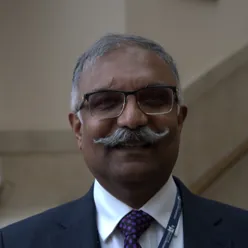
Anand Pandyan
Interdisciplinary clinical scientist
Anand Pandyan is an internationally recognized interdisciplinary clinical scientist. His personal research explores (a) the role of technology in the management of the severely disabled patient, (b) developing valid and reliable outcome measures, (c) developing methods of modelling to study the relationship between impairment and activity and (e) more recently it has extended to modelling work to develop methods to inform clinical decision making.
-
Navn
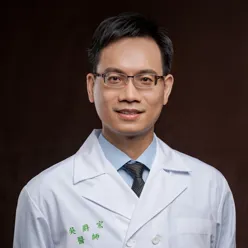
Chueh-Hung Wu
Professor at National Taiwan University
Dr. Chueh-Hung Wu is a Professor at National Taiwan University and the Editor-in-Chief of two textbooks specializing in ultrasound-guided botulinum toxin injection for post-stroke spasticity. His extensive clinical research includes cutting-edge spasticity interventions - notably exploring shear-wave ultrasound elastography for stiffness evaluation and extracorporeal shockwave therapy. He has published several studies on leveraging artificial intelligence (AI) for musculoskeletal ultrasound image analysis. As a highly sought-after international expert, he is frequently invited to share his clinical insights and comprehensive strategies on neuro-rehabilitation, MSKUS, and AI applications at prestigious medical conferences worldwide.
-
Navn
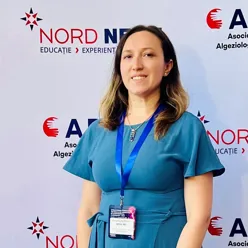
Emanuela Elena Mihai
PRM specialist, PhD
Professor Mihai is a PRM specialist, PhD, and researcher from Bucharest, Romania, with clinical and research expertise in spasticity management, stroke rehabilitation, and multimodal interventions, including botulinum toxin type A, shock wave therapy, and electrical stimulation. She serves on several international rehabilitation medicine initiatives, including the ISPRM Spasticity Interest Group, as Co-Chair of the ESPRM IS GRaCE Working Group, and as Romania’s representative to the ESPRM Youth Forum Executive Committee. Her research includes participation in Horizon-funded projects, and she regularly presents and disseminates findings at national and international scientific congresses and educational events.
-

Navn
Fatima Nadeem
MSc Student and Research Coordinator
Fatima Nadeem is an MSc student in Rehabilitation Sciences at the University of British Columbia and a Research Coordinator at the SPECTRA LV Institute. At SPECTRA, her work focuses on clinical efficiency and implementation in spasticity syndrome care, with research spanning clinical workflow optimization, patient experience, and the delivery of international rehabilitation services. Her graduate research focuses on knowledge translation and implementation science, examining how rapid evidence synthesis services are used within healthcare systems and influence clinical and organizational decision-making.
-
Navn
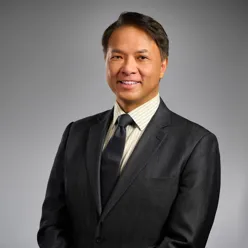
Gerard E. Francisco
MD, Chair of Department of Physical Medicine and Rehabilitation at University of Texas Health Science Center
Prof. Gerard E. Francisco, MD, is the Chair of the Department of Physical Medicine and Rehabilitation at the University of Texas Health Science Center’s McGovern Medical School in Houston, Texas. A global leader in his field, he serves as President of the International Spasticity Society and Chair of the Organizing Committee for Spasticity X, the biennial International Spasticity Symposium. Additionally, Dr. Francisco is the immediate past president of the International Society of Physical and Rehabilitation Medicine (ISPRM) and currently co-chairs the Spasticity and Botulinum Toxin Special Interest Group for the World Federation of Neurorehabilitation.
-
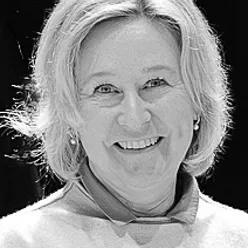
Navn
Ines Bersch-Porada
Head of the International FES Centre® at the Swiss Paraplegic Centre
Dr. Ines Bersch is a experienced physiotherapist who founded and leads the International FES Centre® at the Swiss Paraplegic Centre. Her clinical and research priorities encompass the restoration of hand function, prevention of pressure injuries, and optimization of bowel management. To advance these efforts, she was awarded an SNSF grant of over 1.2 million Swiss Francs for an international study—in collaboration with Sunnaas Rehabilitation Hospital and The University of Alberta—investigating the method of abdominal muscle stimulation to improve bowel management in people with spinal cord injuries. Additionally, she developed the motor point mapping diagnostic tool to precisely assess lower motor neuron integrity, and she actively promotes global knowledge dissemination as an extended board member of the International Functional Electrical Stimulation Society.
-
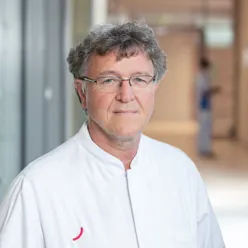
Navn
Jörg Wissel
Head of Neurorehabilitation and Physical Therapy at Vivantes Clinic Spandau,Berlin
Prof Jörg Wissel, MD, FRCP is a board-certified specialist in Neurology and Rehabilitation, he is specialized in managing Neurorehabilitation, Movement Disorders and Botulinumtoxin treatment. He has authored more than 160 original scientific articles and many book chapters in his fields. Since 2002 Prof Wissel is managing an interdisciplinary out-patient clinic for Neurology and Psychosomatic with about 1000 visits a year, mostly patients with focal dystonia, spasticity, and Botulinumtoxin indications. He is Professor of Neurology and a member of the faculty at the University of Potsdam, Germany and Innsbruck, Austria.
-
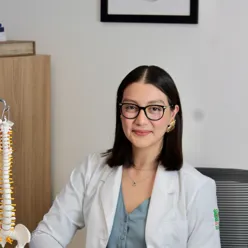
Navn
Karla Zarco
MD, National Rehabilitation Institute in Mexico City
Karla Zarco Ordóñez, MD, is a Physical Medicine and Rehabilitation specialist with advanced training in Neurorehabilitation. She works at the National Rehabilitation Institute in Mexico City. Her clinical and academic work focuses on neurorehabilitation, spasticity, peripheral nerve injury, rare diseases, and functional recovery. She is especially interested in exploring how adapted yoga principles can support movement, participation, and rehabilitation outcomes in people with neurological conditions
-
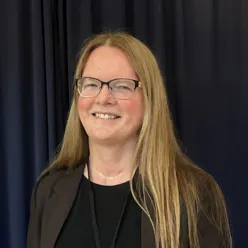
Navn
Kristin Østlie
MD PhD, Specialist in Physical Medicine and Rehabilitation
Kristin Østlie is MD PhD, specialist in Physical medicine and rehabilitation, chief senior consultant at the Department of Physical medicine and Rehabilitation and head of the Spasticity Clinic at Innlandet Hospital Trust. She is chair of the Norwegian Dystonia and Spasticity Association (NFDS), head of the Norwegian professional network for spasticity and member of the steering group of the Scandinavian Education Society for Dystonia and Spasticity Treatment (Skandyspas).
She regularly holds national and international lectures, courses and workshops on spasticity evaluation and treatment, and is also an active researcher, including main supervisor of a PhD project on spasticity at Sunnaas Rehabilitation Hospital.
-
Navn
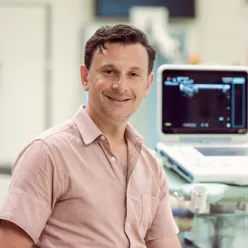
Mike Berger
MD, PhD, FRCPC, CSCN (EMG)
Mike Berger MD, PhD, FRCPC, CSCN (EMG), is a clinician-scientist and specialist in Physical Medicine & Rehabilitation with expertise in neuromuscular medicine, electrodiagnostic testing, and spinal cord injury. He completed his MD/PhD training at Western University, followed by residency and fellowship training at the University of British Columbia and Vancouver General Hospital, where he developed advanced expertise in neuromuscular disorders and clinical neurophysiology. He currently serves as a consultant physiatrist with Island Health and Vancouver Coastal Health and leads a research program focused on neurophysiological assessment and upper limb functional restoration after neurological injury.
-
Navn
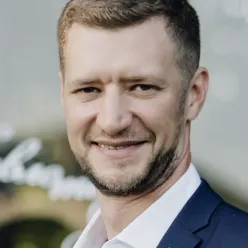
Pavlo Andrieiev
PRM, National Children’s Specialized Hospital Okhmatdyt, Ukraine
Pavlo Andrieiev is a Physical and Rehabilitation Medicine (PRM) physician and Head of the Department of Physical and Rehabilitation Medicine at the National Children’s Specialized Hospital “Okhmatdyt” of the Ministry of Health of Ukraine. He leads the Pediatric Rehabilitation Centre of Excellence, which serves as a national educational hub for the training and professional development of rehabilitation specialists from healthcare institutions across Ukraine. His primary clinical and academic interest is the management of spasticity in children.
-
Navn
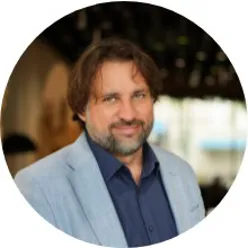
Pavlo Plavskyi
MD, PhD, National Children's Specialized Hospital Okhmatdyt, Ukraine
Pavlo Plavskyi is an Honored Doctor of Ukraine and Head of the Pediatric Neurosurgery Department at the National Children's Specialized Hospital "Okhmatdyt". He serves as a Neurosurgery Expert for the Ministry of Health of Ukraine and leads the Multidisciplinary Neuro-oncology Group. As a board member of the European Society for Pediatric Neurosurgery (ESPN) and a member of the ISPN, his primary clinical and academic interests include pediatric neuro-oncology, congenital brain and spinal malformations, hydrocephalus, and the neurosurgical management of epilepsy and spasticity.
-
Navn
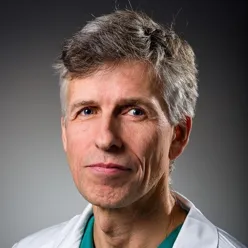
Per Reidar Høiness
Specialist in Orthopedic Surgery Vestre Viken, Norway
Per Reidar Høiness is a specialist in orthopedic surgery and head of the Ortforsk research group at Vestre Viken. He is a senior consultant and research lead at the Department of Orthopedics at Drammen Hospital. His work focuses on orthopedic surgery, with extensive experience in the treatment of neuro-orthopedic patients.
-
Navn
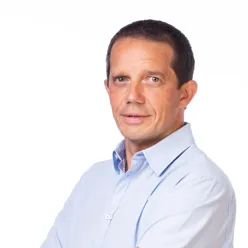
Thierry Deltombe
Head of Physical Medicine and Rehabilitation department at Université de Louvain, Belgium
Professor Thierry Deltombe is an active member of the Belgian PM&R board and of the European Academy of Rehabilitation Medicine. He leads with G. Francisco the Toxnet group.
For 25 years, he is the head of an interdisciplinary group devoted to the spasticity treatment. The group also includes a neurosurgeon, two orthopaedic surgeons, an anaesthesist, a neurologist and a rehab team. He published several papers dealing with spasticity assessment (diagnostic nerve block) and treatments (botulinum toxin and neurotomy) with a special interest for the spastic foot.
-
Navn
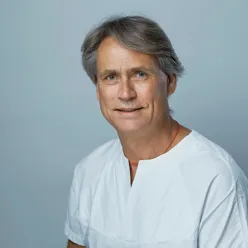
Thomas Glott
MD and Researcher at Sunnaas Rehabilitation Hospital
Conference collaborators
-
Navn
Jelena Simic
MD, Sunnaas Rehabilitation Hospital
-
Navn
Rajiv Reebye
Clinical Professor at the University of British Columbia, Chair of SPECTRA LV
-
Navn
Bo Biering-Sørensen
MD, NDAPM, MPG, Movement Disorder and Pain Research Center, University of Copenhagen
-
Navn
Stefano Carda
MD, PhD, University Hospital of Lausanne, Switzerland
-
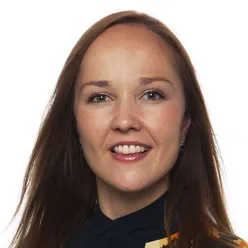
Navn
Anne-Marthe Sanders
Head of Occupational Therapy at Sunnaas Rehabilitation Hospital
-
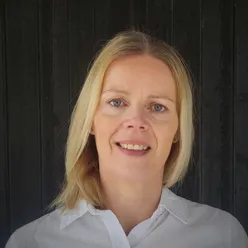
Navn
Jill Unneland O'Farrell
Specialist Physiotherapist, Sunnaas Rehabilitation Hospital
Program for the Nordic Spastisity Conference
-
09:00 - 10:00
-
Registration
10:00 - 10:30
-
Opening session
Welcome to the Nordic Spasticity Conference 2026
10:30 - 10:55
-
From Pathophysiology to Clinical Practice
Understanding the mechanisms behind muscle overactivity is essential for making better clinical decisions. This session bridges the gap between science and everyday practice by demonstrating how pathophysiological knowledge can be translated into assessment, treatment planning, and patient outcomes through real-world clinical cases. Relevant for physicians, physiotherapists, occupational therapists, nurses, and all professionals involved in neurorehabilitation.
Navn
Bo Biering-Sørensen
MD, NDAPM, MPG, Movement Disorder and Pain Research Center, University of Copenhagen
10:55 - 11:20
-
Is Spasticity a Syndrome?
Spasticity is rarely an isolated phenomenon, yet it is often discussed as a single symptom. This presentation explores whether spasticity should instead be understood as a broader syndrome and what this perspective means for assessment, goal setting, and interdisciplinary management. Participants will gain practical insights that can strengthen clinical reasoning and promote more holistic patient care.
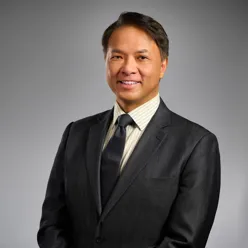
Navn
Gerard E. Francisco
MD, Chair of Department PMR at University of Texas Health Science Center
11:20 - 11:45
-
The Window of Opportunity: When Is the Right Time to Start Treatment?
Many individuals living with spasticity begin treatment later than optimal, resulting in preventable complications and reduced functional gains. This session focuses on how healthcare professionals can identify early signs of muscle overactivity, establish effective care pathways, and improve collaboration across hospital and community services. A must-attend presentation for anyone involved in long-term rehabilitation and follow-up.
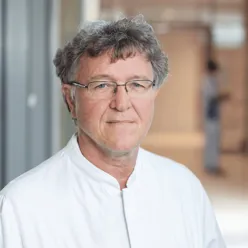
Navn
Jörg Wissel
Head of Neurorehabilitation and Physical Therapy at Vivantes Clinic Spandau, Berlin
11:45 - 12:45
-
Lunch with poster walk and visiting Sponsor exhibition area
12:45 - 13:35
-
Discussion: Clinical Video Vignettes
What do we actually see when we observe movement abnormalities in clinical practice? Through interactive video-based case discussions, experts and participants will analyze complex presentations of muscle overactivity, share different perspectives, and explore how multidisciplinary observations contribute to better clinical decision-making. An engaging session designed to stimulate discussion across professions.
Welcome to an interactive discussion between Jorge Jacinto, Jörg Wissel, Gerard Francisco, Bo Biering-Sørensen, the audience and professionals from Sunnaas Rehabilitation Hospital and Spectra L/V.
13:35 - 14:00
-
Importance of Patient-Centred Treatment Approach
Successful spasticity management starts with understanding the individual's goals, participation, and daily life challenges. This session highlights how a patient-centred approach, including occupational therapy perspectives, can align treatment strategies with what matters most to patients and families. Learn how collaborative goal setting can enhance both outcomes and patient satisfaction.
Navn
Anne-Marthe Sanders
Head of Occupational Therapy at Sunnaas Rehabilitation Hospital
14:00 - 14:30
-
Coffee break with refreshments, poster walk and visiting Sponsor exhibition area
14:30 - 14:50
-
Case presentations of supra-spinal spasticity and spinal spasticity
Although spasticity may appear similar across patient groups, the underlying mechanisms and clinical manifestations can vary considerably. Through illustrative cases presented by physicians and physiotherapists, this session compares spasticity following brain injury and spinal cord injury, providing practical insights into assessment, treatment selection, and rehabilitation strategies.
By Hanne Tingelstad, Alhed Piene Wesche and Jill Unneland O’Farrell, physiotherapists at Sunnaas Rehabilitation Hospital.
14:50 - 15:15
-
Muscle changes in Spasticity: Guiding Personalized Treatment Strategies
Effective spasticity management requires more than addressing neural overactivity alone. This presentation examines the important structural changes that occur in muscles and surrounding soft tissues, and how these changes influence treatment outcomes. Participants will learn how integrating neural and non-neural considerations can support truly individualized and multidisciplinary treatment planning.
Navn
Jelena Simic
MD, Sunnaas Rehabilitation Hospital
Navn
Rajiv Reebye
Clinical Professor at the University of British Columbia, Chair of SPECTRA LV
15:15 - 15:40
-
Neuromuscular Consequences of Spinal Cord Injury
Spinal cord injury leads to complex neuromuscular changes that influence movement, function, and quality of life. This session provides an overview of the underlying mechanisms and discusses how understanding these changes can guide coordinated interdisciplinary interventions. A valuable opportunity to strengthen the connection between scientific knowledge and rehabilitation practice.
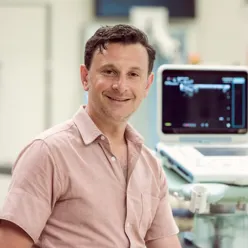
Navn
Mike Berger
MD, PhD, FRCPC, CSCN (EMG) Island Health and Vancouver Coastal Health
15:40 - 16:10
-
Panel discussion: Is BoNT-A a neuromodulator?
Can botulinum toxin type A do more than reduce muscle overactivity?
In this thought-provoking panel discussion, experts will explore emerging evidence on the potential role of BoNT-A in influencing neuroplasticity and functional recovery when integrated into comprehensive rehabilitation programmes. The conversation will challenge traditional perspectives and highlight the importance of multimodal treatment approaches.
Chairs: Kristin Østlie and Jelena Simic
Panel: Jill Unneland O’Farell, Camilla Aksdal, Anand Pandyan, Bo Biering-Sørensen, Rajiv Reebye, Stefano Carda, Gerard Francisco, Saurabh Kumar Jain
16:10 - 16:40
-
Break with poster walk and visiting Sponsor exhibition area
16:40 - 17:05
-
Presentation of the new evidence related to muscle changes due to BoNT-A and inactivity
Concerns regarding the long-term effects of BoNT-A treatment on muscle morphology continue to generate discussion among clinicians and researchers. This session presents the latest evidence on muscle adaptations related to both BoNT-A treatment and inactivity, offering important insights for treatment planning, risk-benefit assessments, and patient counselling.
Navn
Jelena Simic
MD, Sunnaas Rehabilitation Hospital
17:05 - 17:30
-
Shockwave Therapy: Evidence for its Use and Strategies to Implement into Clinical Practice
Despite growing international interest, shockwave therapy remains underutilized in many Scandinavian rehabilitation settings. This presentation reviews the current evidence base, discusses potential applications in spasticity management, and addresses practical barriers to implementation.
You will gain valuable insights into how this intervention may complement existing multidisciplinary treatment strategies.
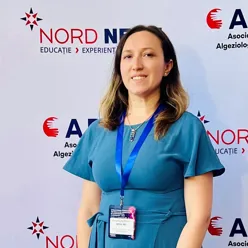
Navn
Emanuela Elena Mihai
PRM specialist, PhD, ISPRM Spasticity Interest Group, ESPRM Youth Forum Executive Committee
17:30 - 17:40
-
Summary of the day and highlights for tomorrow.
By Rajiv Reebye and Stefano Carda
20:00 - 21:30
-
Rewiring Through Creativity: A social and creative evening organised by Spectra LV institute and Sunnaas Rehabilitation Hospital
FærdersalenDiscover the unique collaboration between Sunnaas Rehabilitation Hospital and Spectra LV Institute, exploring how art can be used as a tool in rehabilitation.
Take part in an interactive hands-on workshop and connect with colleagues in a friendly and inspiring atmosphere.
-
-
08:05 - 08:35
-
Yoga as Intervention in Spasticity Management
Can yoga contribute to more comprehensive spasticity management? This session explores the historical foundations, current applications, and future potential of yoga as part of an integrated rehabilitation approach. Participants will gain perspectives on how movement, breathing, body awareness, and patient participation may complement medical and therapeutic interventions across disciplines.
By Shiwangee Purandare and Karla Zarco
08:35 - 09:05
-
Electrostimulation in Spasticity Management
Electrical stimulation offers a range of possibilities in spasticity management, but successful use depends on appropriate assessment, clinical reasoning, and technical expertise. This session combines current evidence with practical clinical insights to support safe and targeted implementation. Relevant for physiotherapists, occupational therapists, physicians, nurses, and other professionals seeking to integrate electrical stimulation into coordinated rehabilitation programmes.
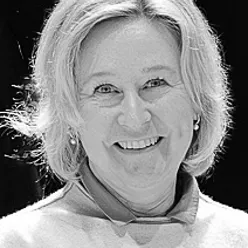
Navn
Ines Bersch-Porada
Head of the International FES Centre® at the Swiss Paraplegic Centre
09:05 - 09:30
-
Coffee break with refreshments, poster walk and visiting Sponsor exhibition area
09:30 - 09:55
-
Measuring energy costs of walking: Methods and clinical applications
A clinical physiological approach
By Matthijs Wouda, Clinical Physiology Lab at Sunnaas Rehabilitation Hospital
09:55 - 10:20
-
Use of Fine-Wire EMG in the Assessment of Spastic Gait Patterns: A Lost Art?
Complex gait patterns can be difficult to interpret through observation alone. This presentation examines how fine-wire electromyography can provide detailed information about muscle activation and improve the assessment of spastic gait. The session highlights how physicians, physiotherapists, biomedical professionals, and gait laboratory teams can combine their expertise to strengthen treatment planning.
By Jorge Jacinto
10:20 - 10:45
-
Short break
10:45 - 11:10
-
Indication and Technical Aspects of Diagnostic Nerve Block with Anaesthetics
Diagnostic nerve blocks can provide valuable information when treatment decisions are uncertain or several factors contribute to impaired movement.
This session addresses patient selection, technical considerations, and the interpretation of clinical responses. You will learn how nerve blocks can support interdisciplinary decisions regarding rehabilitation, botulinum toxin treatment, orthopaedic surgery, and neurosurgical interventions
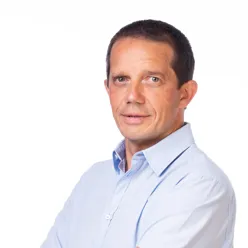
Navn
Thierry Deltombe
Head of PMR department at Université de Louvain, Belgium
11:10 - 11:35
-
Neurectomy or Neurotomy? Simplifying phenomenology and implications for clinical practice
The terminology surrounding peripheral nerve surgery can be challenging, while the clinical consequences of different procedures are highly relevant to the entire rehabilitation team.
This presentation clarifies the distinction between neurectomy and neurotomy and connects surgical concepts with functional assessment and treatment goals. It will help clinicians communicate more precisely and contribute effectively to interdisciplinary decision-making before and after surgery
Navn
Thierry Deltombe
Head of PMR department at Université de Louvain, Belgium
11:35 - 12:00
-
When Should we Perform Surgery? Training and Follow up After Surgery.
Surgery should not be viewed as an isolated intervention, but as one stage in a coordinated rehabilitation pathway.
This session explores appropriate timing, patient selection, preoperative preparation, postoperative training, and long-term follow-up. It highlights the importance of close collaboration between surgeons, rehabilitation physicians, physiotherapists, occupational therapists, nurses, patients, and families.
By Per Reidar Høiness and Ingvild Koren Maalen-Johansen
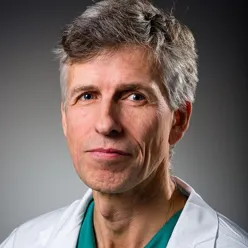
Navn
Per Reidar Høiness
Specialist in Orthopedic Surgery Vestre Viken, Norway
12:00 - 13:00
-
Lunch with poster walk and visiting Sponsor exhibition area
13:00 - 13:25
-
The Challenges of Defining and Measuring Spasticity
Spasticity is a complex clinical phenomenon that cannot always be captured by a single definition or measurement tool.
This presentation examines the conceptual and practical challenges involved in assessing spasticity and interpreting changes over time. Participants will gain a stronger foundation for selecting meaningful outcomes and combining clinical, functional, technological, and patient-reported information.
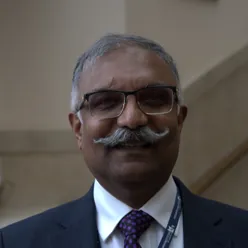
Navn
Anand Pandyan
Interdisciplinary Clinical Scientist
13:25 - 13:50
-
Triggers for Spasticity: Pain and Nociceptive Stimuli
Increased muscle overactivity may reflect an underlying source of pain or nociceptive stimulation rather than a need for more antispastic treatment alone.
This session explores common triggers, their clinical presentation, and their relevance to assessment and management. The presentation will support professionals across disciplines in identifying contributing factors and developing more comprehensive treatment strategies.
Navn
Jörg Wissel
Head of Neurorehabilitation and Physical Therapy at Vivantes Clinic Spandau, Berlin
13:50 - 14:20
-
Panel discussion: When not to treat and when to stop treatment?
Chairs: Stefano Carda and Jelena Simic
Panel: Tanja Bertheussen, Saurabh Kumar Jain, Tiina Ader, Maja Busuladzic, Laura Serrano, Ingvild Nakstad, Kristin Østlie.
14:20 - 14:50
-
Coffee break with refreshments, poster walk and visiting Sponsor exhibition area
14:50 - 15:15
-
Using Technology in Daily Clinical Practice
Digital tools can strengthen continuity of care by capturing symptoms, treatment effects, and everyday experiences between clinical appointments.
This session presents the potential of a spasticity diary application to support communication, follow-up, and shared decision-making. You will explore how patient-generated information can be integrated into interdisciplinary clinical practice without losing sight of individual goals and context.
Navn
Bo Biering-Sørensen
MD, NDAPM, MPG, Movement Disorder and Pain Research Center, University of Copenhagen
15:15 - 15:45
-
AI in Assessment and Treatment of Spasticity
Artificial intelligence and advanced ultrasound technologies are creating new opportunities for more precise assessment and treatment of spasticity.
This presentation explores how AI-supported image analysis may assist clinicians in identifying structures, evaluating muscle properties, and planning interventions. The session connects technological innovation with clinical expertise and highlights the need for collaboration between healthcare professionals, researchers, engineers, and patients.
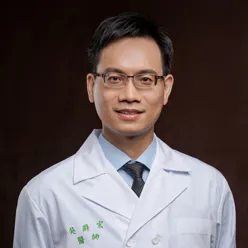
Navn
Chueh-Hung Wu
Professor at National Taiwan University
15:45 - 16:15
-
Panel discussion: How AI can help us in spasticity management
Chairs: Anne Catrine Trægde Martinsen
Wu Chueh-Hung, Jörg Wissel, Gerard Francisco, Bo Biering-Sørensen, Mike Berger and Rajiv Reebye
16:15 - 16:25
-
End-of-Day Summary. Highlights for tomorrow
This closing session brings together the main clinical insights, questions, and perspectives from the day. By connecting contributions across professions and treatment approaches, the summary will help participants consolidate learning and identify implications for their own practice. The session also provides a clear transition to the themes and discussions of the final conference day.
Navn
Jelena Simic
MD, Sunnaas Rehabilitation Hospital
Navn
Anne-Marthe Sanders
Head of Occupational Therapy at Sunnaas Rehabilitation Hospital
18:30 - 19:00
-
Networking and refreshments in the hotel bar
19:00 - 22:00
-
Conference dinner
-
-
08:00 - 08:35
-
Optimizing Clinic Efficiency and Flow
Efficient clinical pathways are essential for ensuring that patients receive the right assessment and treatment at the right time.
This session explores how interdisciplinary spasticity services can improve coordination, clarify professional roles, and reduce unnecessary variation or delay. Participants will gain practical ideas for strengthening patient flow while maintaining quality, individualized care, and opportunities for professional collaboration.
By Fatima Nadeem, Stefano Carda, Rajiv Reebye and Jelena Simic,
08:35 - 09:05
-
Interdisciplinary Interaction in Spasticity Management at the National Specialized Children’s hospital "Ohmatdyt", Ministry of Health of Ukraine
Children with spasticity often require coordinated input from rehabilitation medicine, neurology, neurosurgery, orthopaedics, therapy services, nursing, and family support.
This presentation shares practical experience of interdisciplinary collaboration within a highly specialized paediatric hospital in Ukraine. You will gain insights into how shared expertise, organizational structures, and a common focus on the child and family can strengthen clinical decision-making and continuity of care.
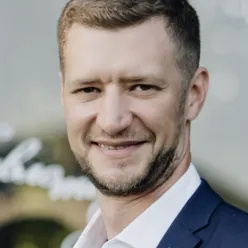
Navn
Pavlo Andrieiev
PRM, National Children’s Specialized Hospital Okhmatdyt, Ukraine
Navn
Pavlo Plavskyi
MD, PhD, National Children's Specialized Hospital Okhmatdyt, Ukraine
09:05 - 09:30
-
Challenges of Treating Paediatric Patients with Spasticity
Spasticity management in children must account for growth, development, participation, family priorities, and changing functional needs.
This session examines the clinical and organizational challenges involved in selecting, combining, and evaluating interventions over time. It highlights why sustained collaboration between children, families, physicians, therapists, nurses, educators, and community services is essential for achieving meaningful outcomes.
Navn
Rajiv Reebye
Clinical Professor at the University of British Columbia, Chair of SPECTRA LV
09:30 - 10:15
-
Panel discussion
How can professionals develop coherent treatment pathways for children with complex and changing needs? This multidisciplinary panel brings together perspectives from rehabilitation, medicine, surgery, therapy, and related fields to discuss assessment, treatment selection, timing, and follow-up. Through dialogue and contrasting viewpoints, you will gain a broader understanding of how collaborative decisions can support children and families throughout the rehabilitation journey.
Chairs: Mona Strøm and Rajiv Reebye
Participants: Jorge Jacinto, Peter Sanderson, Kristine Marie Mamen Vege, Anne Bergsjø Karstensen, Marie Johansson, Shiwangee Puranadaren, Per Reidar Høiness, Pavlo Andrieiev and Pavlo Plavskyi
10:15 - 10:45
-
Coffee break, poster walk and visiting Sponsor exhibition area
10:45 - 11:10
-
Advancing Techniques in Chemodenervation
The quality and safety of chemodenervation depend on accurate assessment, sound anatomical knowledge, and precise injection techniques.
This session presents advances that may improve targeting, treatment planning, and clinical outcomes. It will be relevant to clinicians performing injections and to the wider rehabilitation team responsible for defining goals, preparing patients, and evaluating functional effects.
By Peter Sanderson
11:10 - 11:35
-
How Do We Use Sensor Technology to Measure Post-Intervention Outcomes?
Wearable sensors and related technologies can provide detailed information about movement and activity beyond the clinical examination.
This presentation explores their potential to evaluate outcomes after intervention, while also addressing limitations connected to validity, interpretation, feasibility, and patient burden. You will gain a multidisciplinary perspective on how sensor data can complement clinical observations and patient-reported experiences.
By Ingrid Eitzen
11:35 - 12:00
-
Validation of a Multimodal Wearable Sensor for Detection and Classification of Spastic Motor Activity in Spinal Cord Injury
Reliable detection of spastic motor activity may improve both clinical assessment and the evaluation of treatment effects in people with spinal cord injury.
This session presents the validation of a multimodal wearable sensor designed to identify and classify activity in everyday settings. The presentation illustrates how clinical expertise, engineering, data analysis, and patient experience can be combined to develop more meaningful outcome measures.
By Thomas Glott
12:00 - 12:25
-
Unlocking the Next Steps: Enhancing Collaboration Through Education and Research
Progress in spasticity management depends on sharing knowledge across professions, institutions, and national boundaries.
This session explores how education and collaborative research can bridge gaps between evidence, clinical practice, and patient priorities. Participants will be invited to consider how common training arenas, shared research questions, and interdisciplinary networks can support sustainable improvement.
Navn
Anand Pandyan
Interdisciplinary Clinical Scientist
12:25 - 13:00
-
End of conference. Closing remarks and summary
The closing session brings together the conference’s key messages, unresolved questions, and opportunities for future development. Through reflections from the programme leaders and contributions from participants, it will connect scientific knowledge, clinical experience, technological innovation, and person-centred care.
The aim is for you to leave with practical ideas, strengthened professional networks, and a shared commitment to advancing interdisciplinary spasticity management.
By Jelena Simic, Rajiv Reebye, Stefano Carda, Bo Biering-Sørensen and Anne Catrine Trægde Martinsen
13:00 - 14:00
-
Lunch with poster walk and visiting Sponsor exhibition area
-
Contact
If you have any questions, please send us an e-mail and we will get back to you.